
CoursesNepal
How to join a Vipassana course in Nepal
Choosing one of Nepal's 20 Goenka-tradition centres, applying online, the Kathmandu city office, languages, costs and the Mahasi-tradition alternatives.
· 9 min read
From Nepal, where the Buddha was born · for meditators everywhere
विपश्यना ध्यान सिक्नुहोस्, शिविर खोज्नुहोस्
Vipassana, or insight meditation, is the practice of observing your own body and mind until you see, directly, that everything in them changes. This guide explains what it is and how each tradition teaches it, introduces the teachers who kept it alive, and lists 314 centres in 44 countries.
Start here
Where to learn
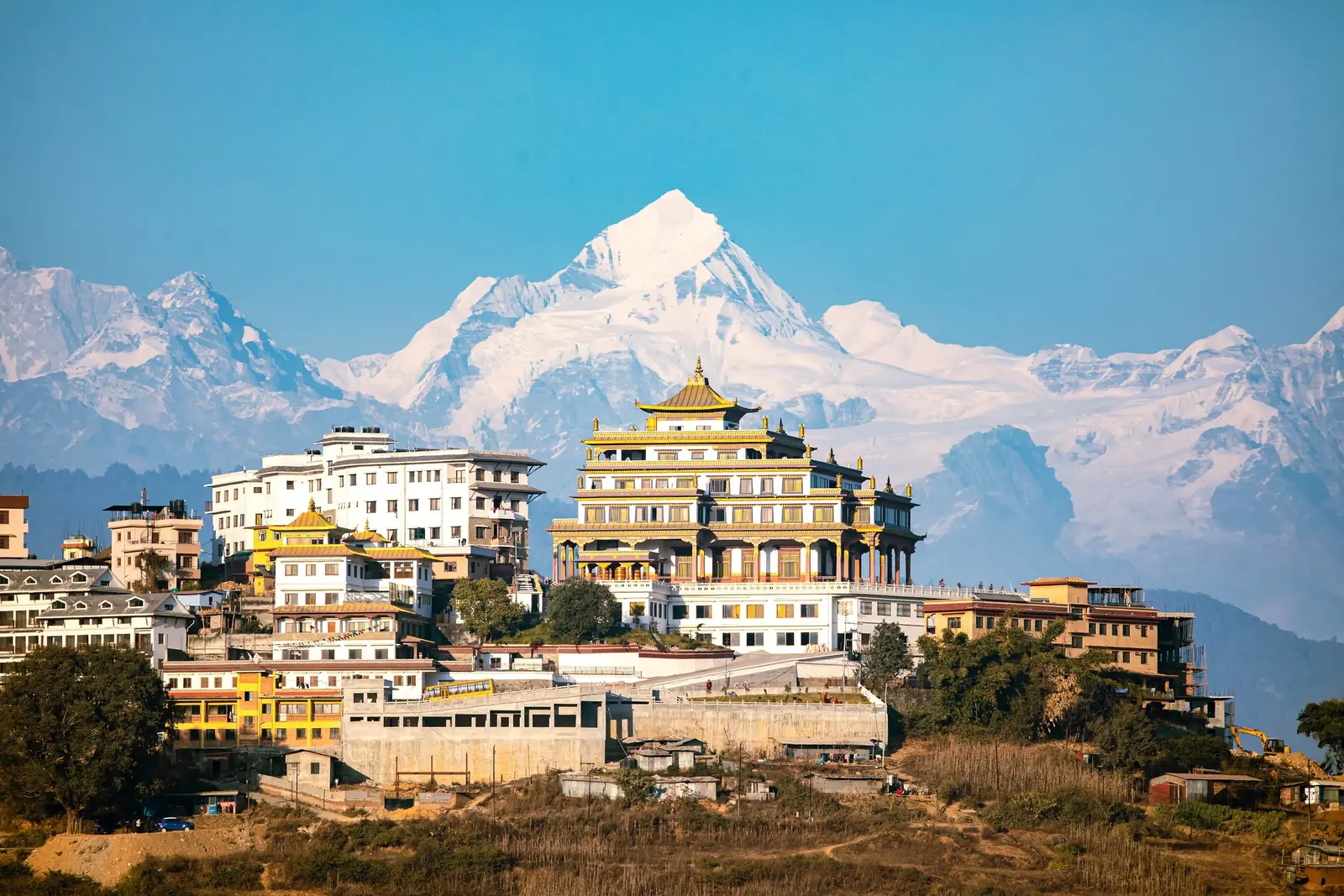
Budhanilkantha (Muhan Pokhari), Kathmandu, Bagmati Province · Nepal Vipassana Center
Buddhanagar (Sankhamul), Kathmandu, Bagmati Province · IBMC
Parwanipur, near Birgunj, Madhesh Province · Birganj-Nepal Vipassana Centre
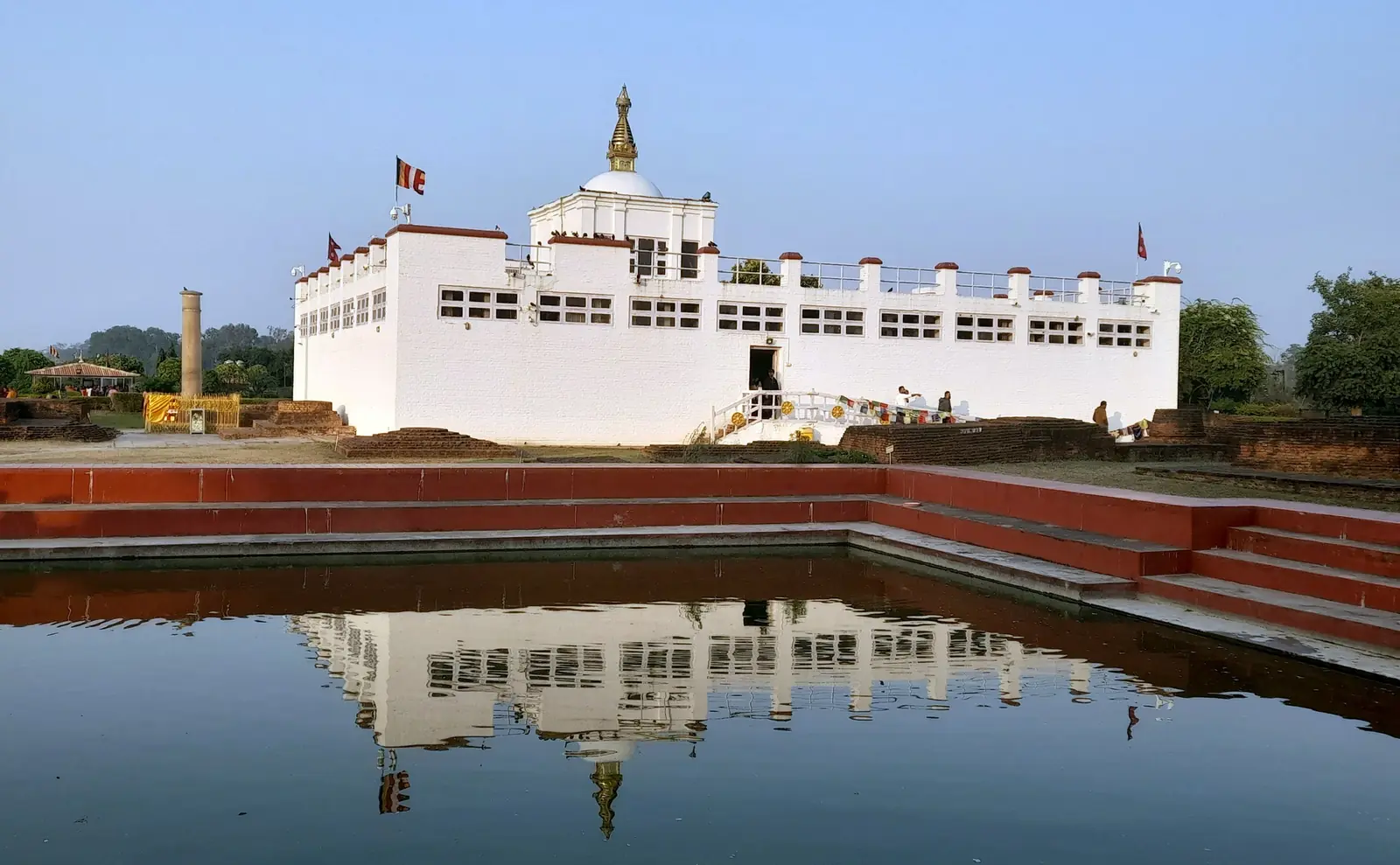
West Monastic Zone, Lumbini, Rupandehi, Lumbini Province · Paṇḍitārāma Lumbini
Lumbini (East Monastic Zone), Rupandehi, Lumbini Province · Lumbini Vipassana Centre
Itahari, Sunsari, Koshi Province · Purwanchal Vipassana Centre
Techniques
Donation-funded 10-day courses taught with S. N. Goenka's recorded instructions, in the line of Sayagyi U Ba Khin, at centres in Nepal and worldwide.
10-day course minimum (12 calendar days)
U Ba Khin's Vipassana as handed on by Mother Sayamagyi: 10-day courses with a live teacher, five days of Anapana and a suggested donation.
10 days, Friday evening to Monday morning
Mahasi Sayadaw's method of noting the rise and fall of the abdomen and whatever else arises, practised in silent retreats in Myanmar, Nepal and beyond.
Individual stays, from a week to several months
The Pa-Auk method from Myanmar trains deep concentration (jhāna) first, then detailed insight that follows the Visuddhimagga, in long stays at a monastery.
Long-term residence; approval needed first
A Burmese method of strong, rapid breathing and a fixed posture, then close attention to bodily sensation, above all pain, without mental labels.
Format varies; ask the monastery
Mogok Sayadaw's Burmese method: learn dependent origination first, then watch feeling and mind arise and pass away in your own experience.
Varies by centre; no English schedule found
Teachers
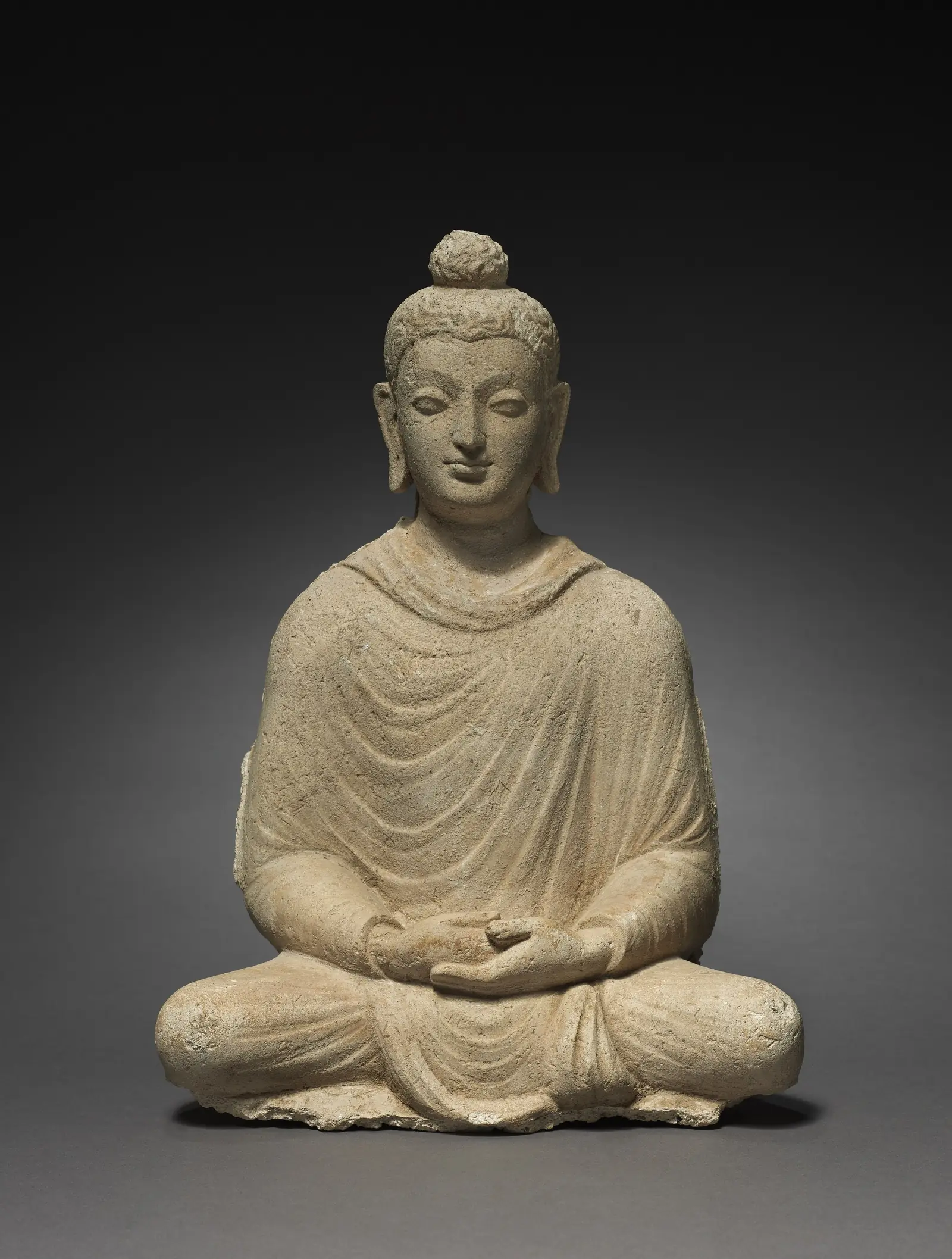
c. 5th century BCE · Nepal / India
The teacher whose instructions on mindfulness and insight are the source of every Vipassana tradition.
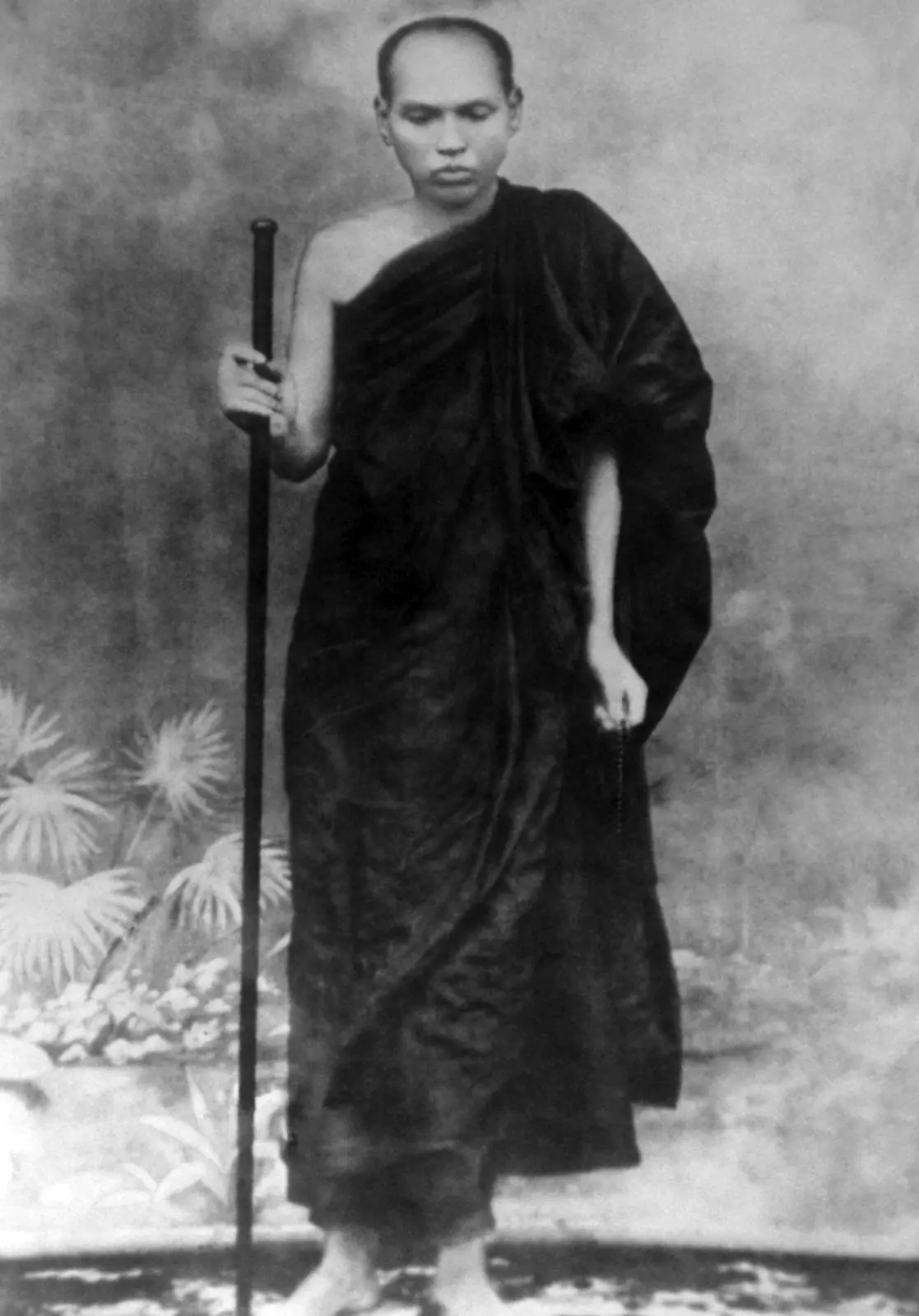
1846–1923 · Myanmar
Burmese monk-scholar who wrote Dhamma for ordinary readers and opened Vipassana practice to lay people.
1899–1971 · Myanmar
Accountant General of Burma and lay teacher who designed the ten-day Vipassana course and taught S. N. Goenka.
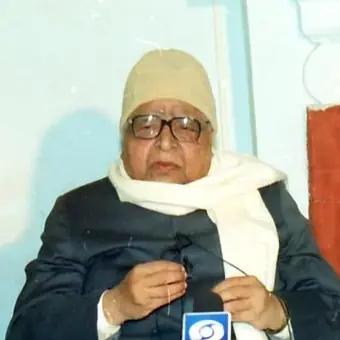
1924–2013 · Myanmar / India
Burmese-born Indian teacher who took U Ba Khin's Vipassana to India in 1969 and spread free ten-day courses.
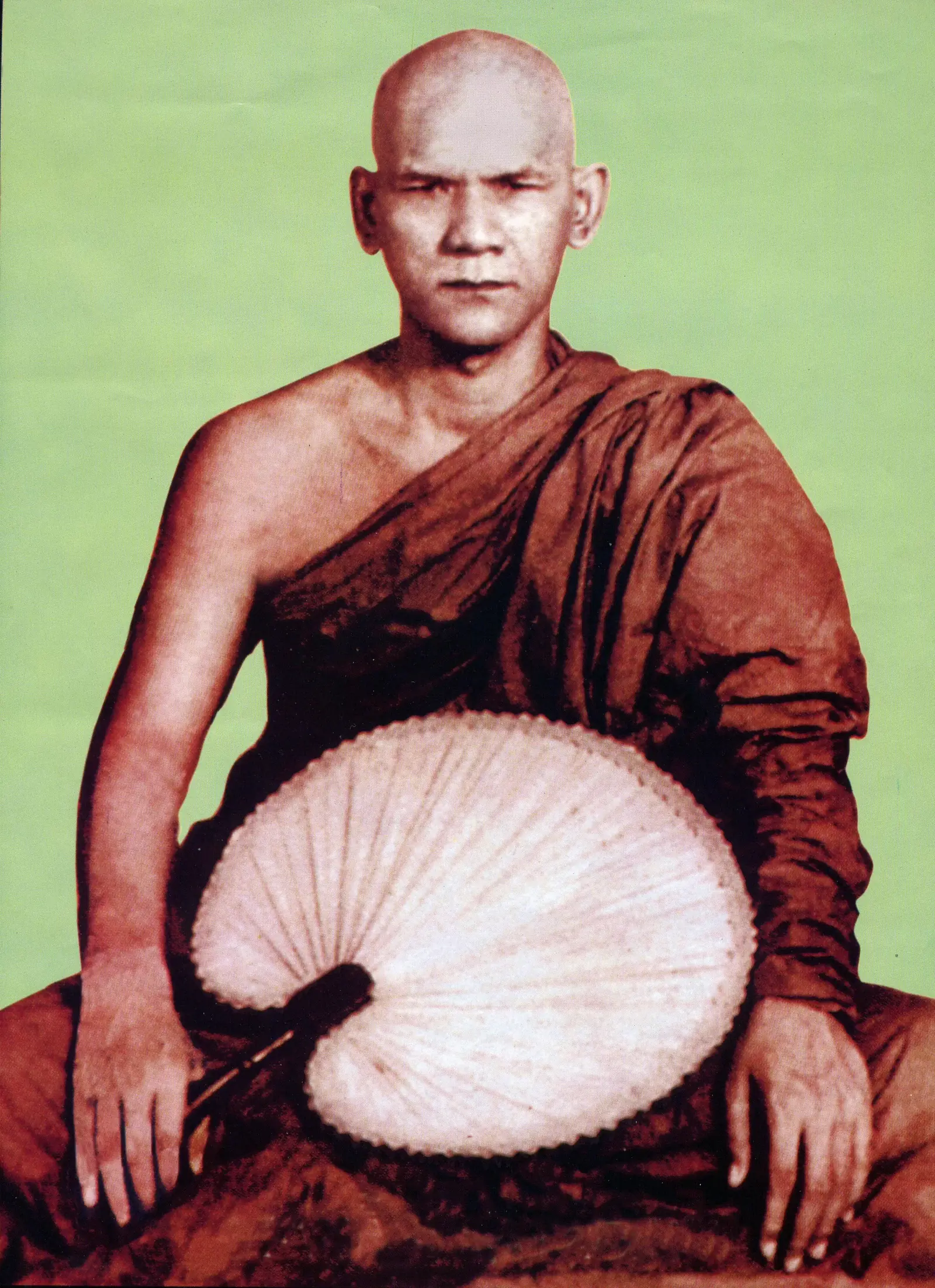
1904–1982 · Myanmar
Burmese scholar-monk whose method of mental noting spread insight meditation across Asia and the West.
1918–1992 · Thailand
Thai forest master whose plain teaching and Western disciples carried the Forest tradition abroad
A quiet timer with a bell, in your browser. No sign-up, no account. More guided practice is on the way.
From the blog
Choosing one of Nepal's 20 Goenka-tradition centres, applying online, the Kathmandu city office, languages, costs and the Mahasi-tradition alternatives.
· 9 min read
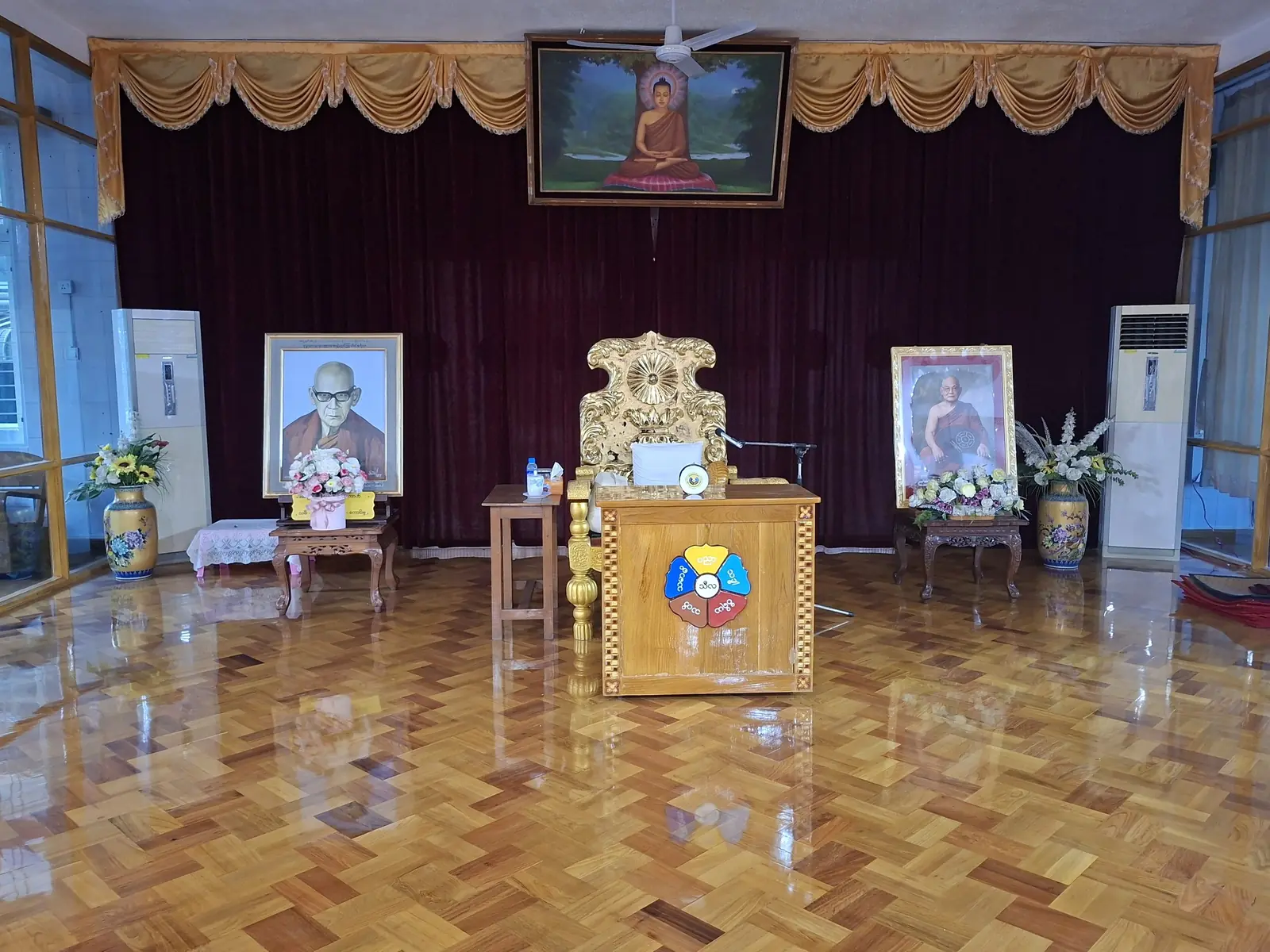
What studies found about distressing experiences during and after intensive meditation, who may be more at risk, and why organisers ask about health.
· 7 min read
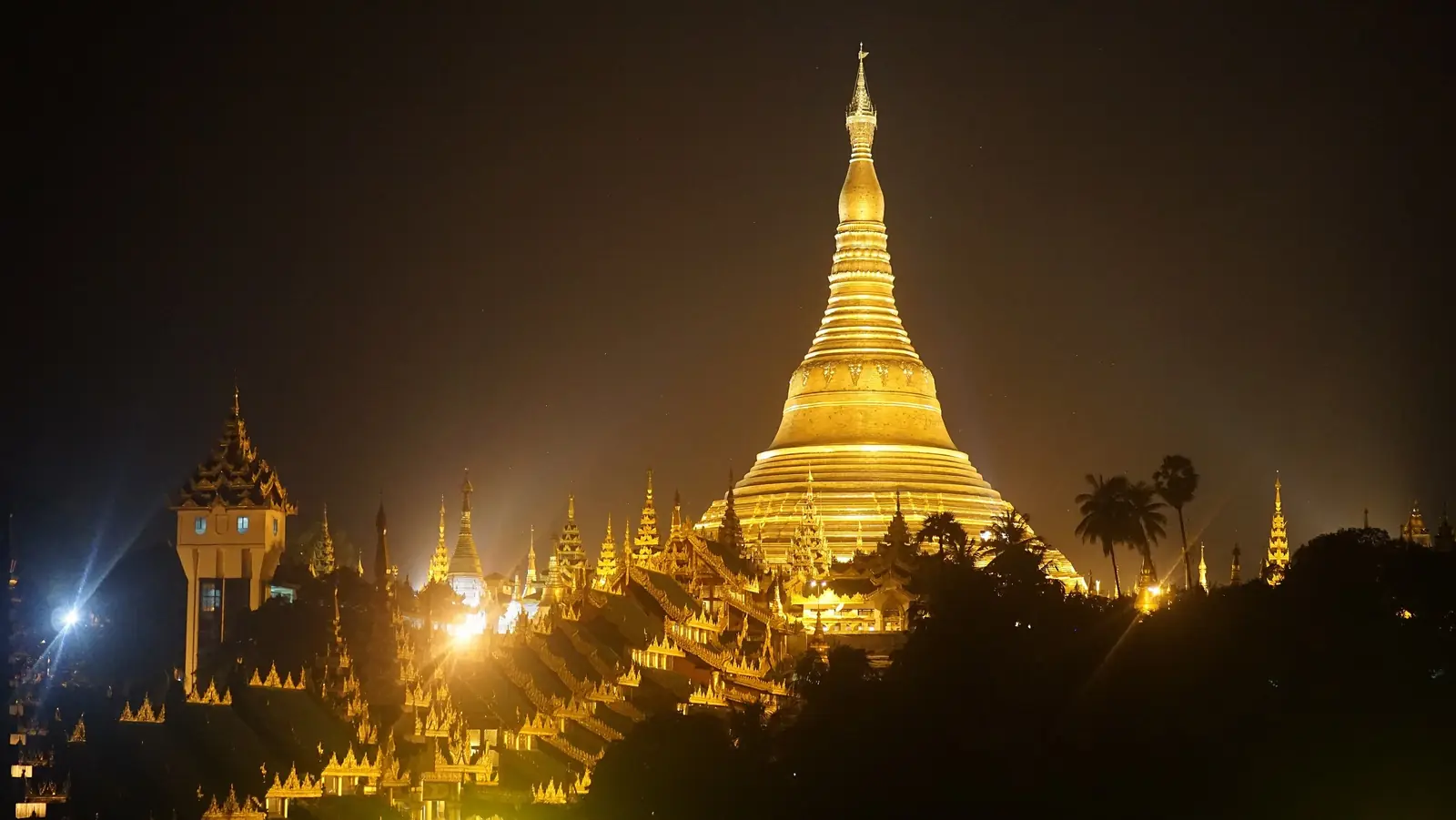
S. N. Goenka's 10-day courses and Mahasi Sayadaw's noting retreats compared: the first object, labels, walking, retreat format, rules and maps of progress.
· 8 min read